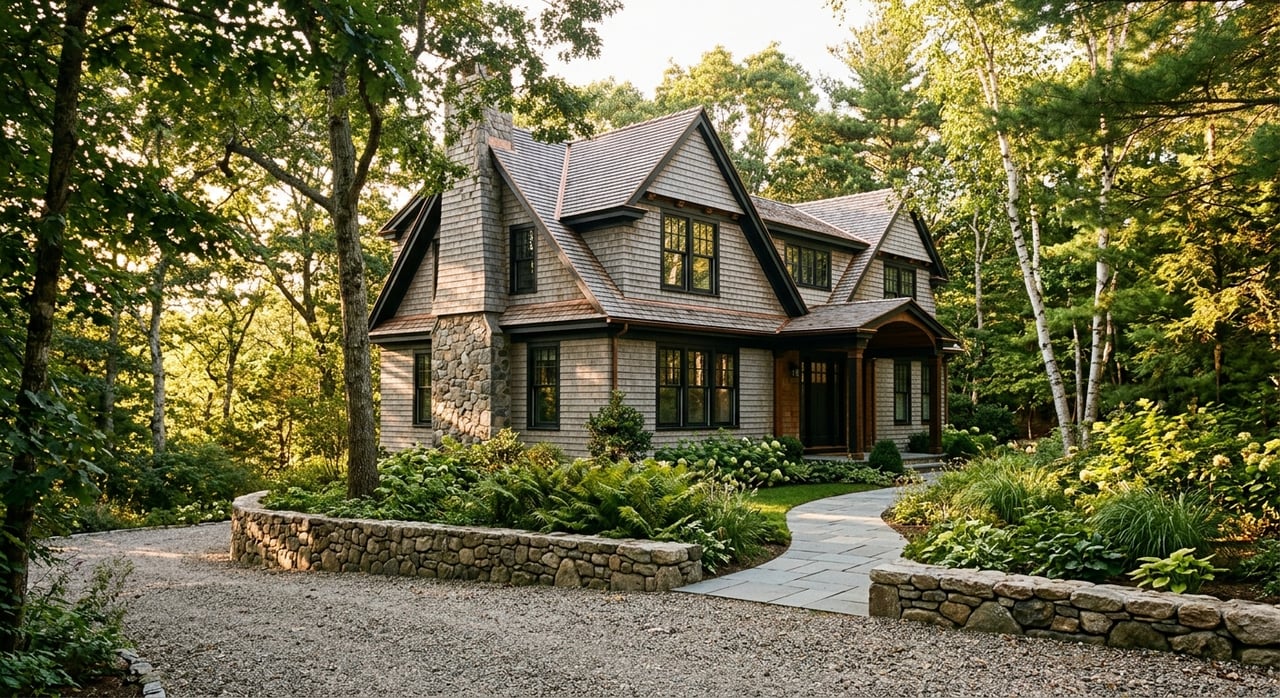
If you are choosing between Easton and Fairfield, you are really choosing between two different ways of living in Fairfield County. One offers more land, more privacy, and a quieter day-to-day rhythm. The other offers coastal access, rail convenience, and a wider range of neighborhoods and home styles. This guide will help you compare the two so you can focus your search on the town that best fits how you want to live. Let’s dive in.
Easton vs. Fairfield at a Glance
Easton and Fairfield may be close on the map, but they serve different priorities. Easton is defined by open space, preserved land, and larger-lot zoning. Fairfield is shaped by its Long Island Sound shoreline, broader amenities, and stronger transit access.
A simple way to think about it is this: Easton tends to fit buyers who want space and privacy, while Fairfield tends to fit buyers who want convenience and variety. Neither is better across the board. The better fit depends on what matters most to you every day.
Everyday Setting and Lifestyle
Easton feels rural and spacious
Easton’s identity is closely tied to land preservation, farms, and lower-density living. The town notes that it has more than twenty working farms and that more than one-third of its land is permanently preserved. Its zoning pattern also supports that rural feel, with 1-acre and 3-acre residential districts shaping much of the housing landscape.
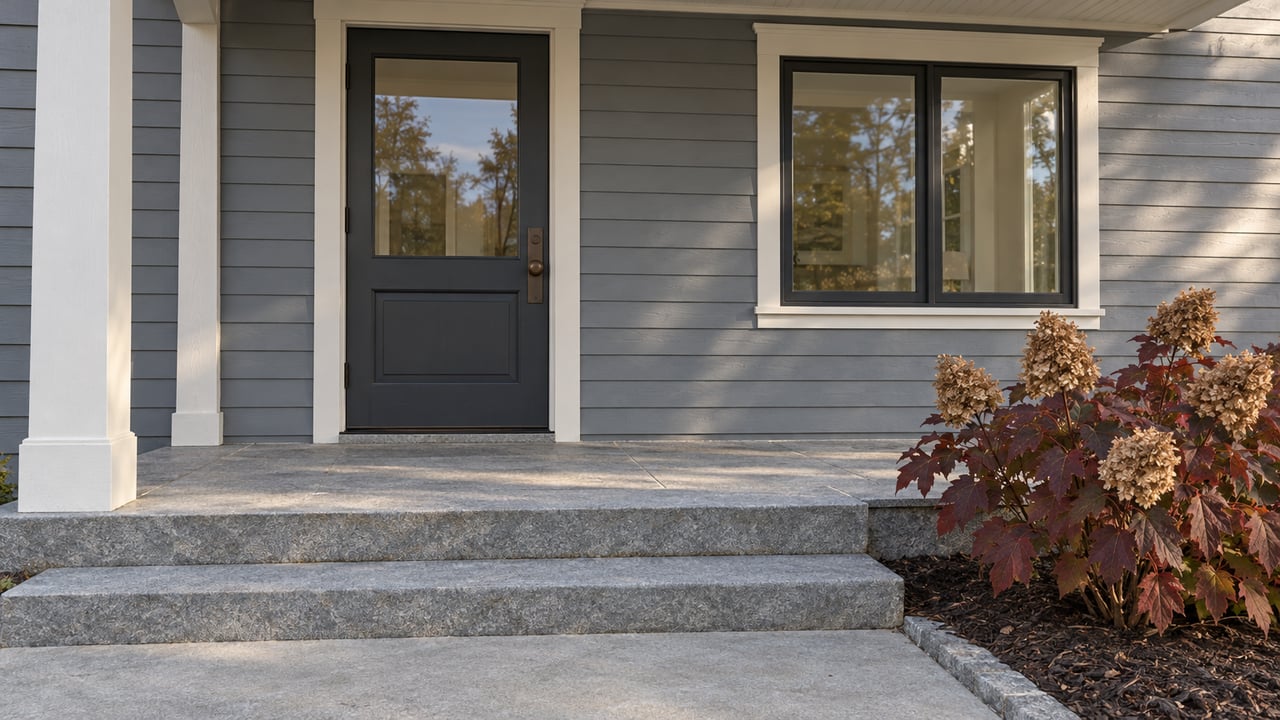
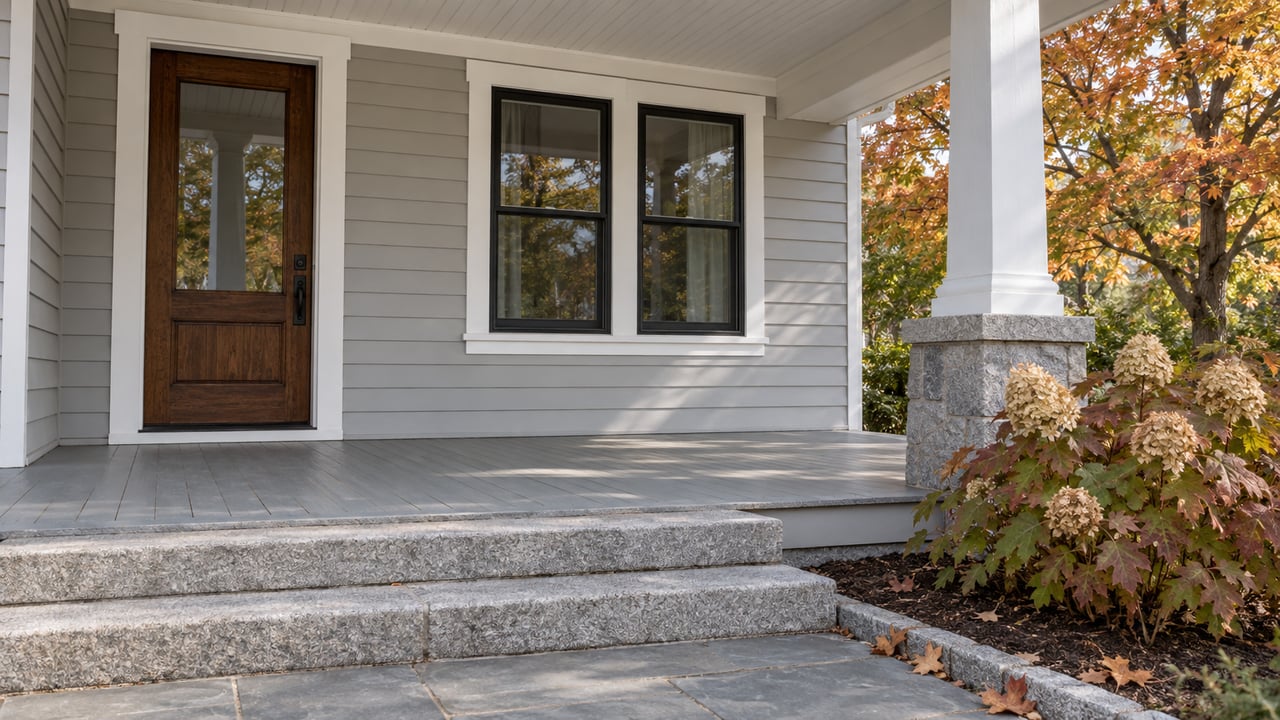
In practical terms, that often means wooded settings, more separation between homes, and less of a built-up suburban feel. If you picture home as a place where you can spread out and enjoy a quieter setting, Easton often matches that vision well.
Fairfield feels coastal and connected
Fairfield has a very different identity. The town describes itself as a coastal community on Long Island Sound, with beaches, rivers, tidal marshes, and shoreline resources that are central to local life. That coastal setting is a major part of what draws buyers to the area.
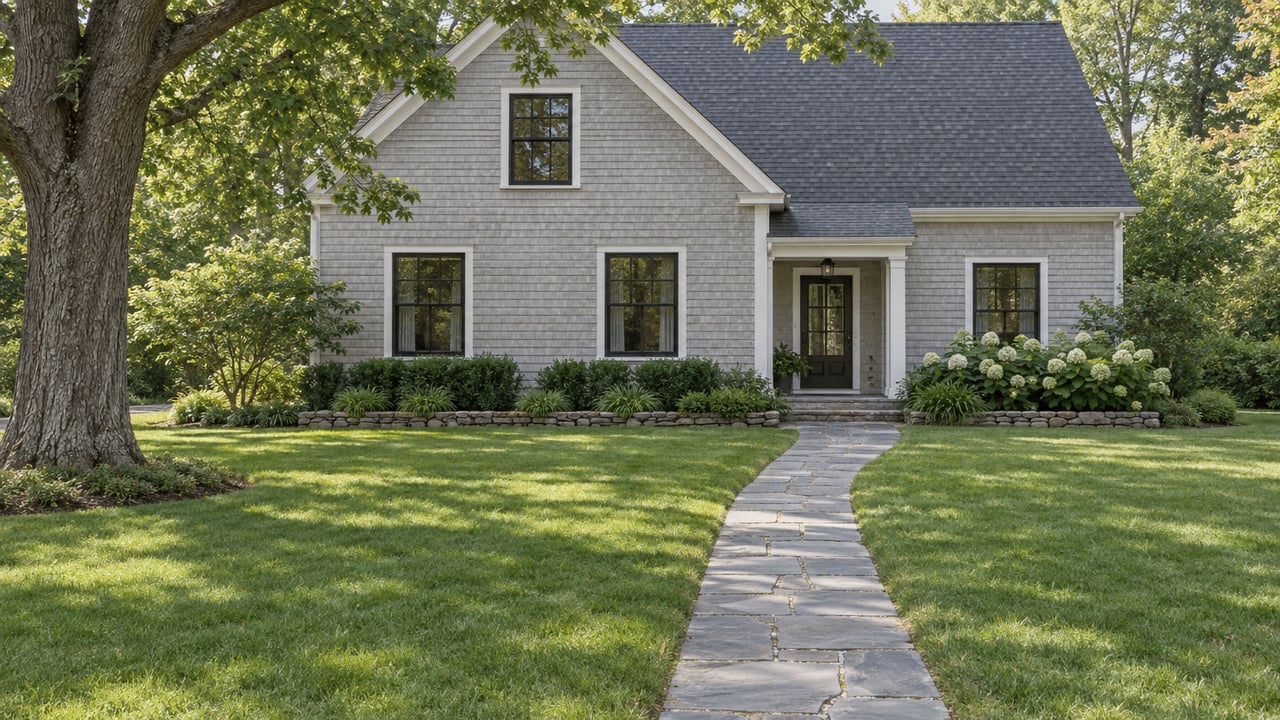
Fairfield also offers a broader mix of neighborhoods and more everyday conveniences. If you want access to shoreline amenities along with a more varied housing stock and a town with multiple activity hubs, Fairfield usually gives you more options.
Schools and District Structure
Easton offers a simpler school path
Easton has a more compact public school structure. The town lists Samuel Staples Elementary School, Helen Keller Middle School, and Joel Barlow High School, with Joel Barlow shared with Redding through Region 9.
For buyers, that can make the school picture easier to understand at a glance. There is less address-by-address variation in the overall structure, which some buyers find helpful when narrowing their search.
Fairfield offers more school-building options
Fairfield Public Schools is much larger. The district includes 11 elementary schools, 3 middle schools, 2 high schools, and the Walter Fitzgerald Campus. The district also directs families to use a Master Street List to determine attendance boundaries.
That means school assignment can vary meaningfully depending on the property address. If you are home shopping in Fairfield, it is smart to confirm school attendance details early for any home you are seriously considering.
Commuting and Daily Convenience
Fairfield is the easier rail town
If train access is high on your list, Fairfield has a clear advantage. Town budget materials state that Fairfield has three Metro-North rail stations, and station information also shows bus connections through Greater Bridgeport Transit.
For buyers with a regular commute to Stamford, New York City, or other points along the line, that can make a real difference in daily life. Fairfield often appeals to buyers who want the option to use rail as part of their routine.
Easton is more car-dependent
Easton does not appear on the Metro-North station list, so buyers there generally plan on driving to a nearby station or relying more on road travel. That is not necessarily a drawback if your top priority is privacy or land, but it is an important lifestyle factor to weigh.
A good test is to drive the route yourself during the time of day you would actually commute. A home can feel perfect on paper, but the daily rhythm has to work for you in real life.
Lot Sizes and Housing Variety
Easton is built around larger lots
Easton zoning is one of the clearest differences between the two towns. The town’s regulations define Residence A with a 40,000-square-foot minimum lot area and Residence B at 3 acres, both with 200-foot frontage requirements.
That larger-lot structure shapes the housing experience. If you are specifically looking for acreage, more yard space, or a home that feels set apart from neighboring properties, Easton is often the more consistent fit.
Fairfield has a wider range of property types
Fairfield’s zoning is much more varied. Residential minimum lot sizes range from 5,000 to 12,500 square feet in certain districts, and extend up through larger-lot districts such as 1 acre and 2 acres.
That variety gives buyers more choices. You may find compact in-town lots, station-adjacent neighborhoods, inland residential areas, and larger properties depending on where you look. It also means the town name alone does not tell the whole story. In Fairfield, location within the town matters a lot.
Prices and Inventory
Similar townwide values, different submarkets
Current pricing snapshots show that Easton and Fairfield are not worlds apart at the broad town level, but the details matter. Easton’s typical home value is listed at $954,499, with a March 2026 median sale price of $950,000 and a median market time of 57 days in ZIP code 06612.
Fairfield’s townwide Zillow snapshot shows a typical home value of $953,623 and a median sale price of $859,567, with homes going to pending in about 7 days. In Fairfield’s 06824 ZIP, Redfin reports a $1.225 million median sale price and 28 median days on market.
Fairfield has more pricing spread
One reason Fairfield can be harder to summarize is the range between submarkets. Zillow neighborhood values range from about $1.47 million in Southport to about $414,399 in Black Rock. That is a wide spread within one town.
Easton, by comparison, is more consistent in its acreage-oriented identity. When comparing the two towns, it is often more useful to compare specific neighborhoods, lot sizes, and commute patterns than to rely on a single townwide number.
Fairfield offers more inventory depth
Inventory is another meaningful difference. Zillow’s March 2026 snapshot showed 15 homes for sale and 8 new listings in Easton, compared with 103 homes for sale and 51 new listings in Fairfield.
For buyers, that usually means Fairfield offers more selection at any given time. Easton’s smaller inventory can still be a great match if you know exactly what you want, but it may require more patience.
Property Taxes and Cost Planning
Easton’s tax collector lists the 2025 to 2026 mill rate at 31.00 mills. Fairfield’s official FY25 budget packet listed a required mill rate of 27.90 mills, and the town’s 2025 revaluation timetable stated that the FY26 mill rate would be established in May 2026.
Connecticut property taxes are calculated using assessed value multiplied by the mill rate. So while Easton’s published rate is higher than Fairfield’s most recently published rate, your actual tax picture depends on the assessed value, any applicable exemptions, and where each town is in its revaluation cycle.
This is one of the reasons side-by-side home comparisons matter. Two homes with similar list prices can carry different tax obligations depending on assessment and town timing.
Touring Both Towns the Smart Way
If you are undecided, the best next step is not more scrolling. It is touring with a clear comparison plan.
Start by viewing one Easton home and one Fairfield home that are close in price and testing the commute at the same time of day. That side-by-side experience often makes the lifestyle difference clearer than online photos ever can.
If you are considering Fairfield, it also helps to compare two very different types of locations within town. Tour one shoreline-area property and one inland or station-adjacent property so you can see whether the premium for coastal access matches your priorities.
Ask extra questions near the shoreline
Fairfield’s coastal plan notes that more than 3,800 homes and essential infrastructure sit in a coastal flood plain. If you are touring a shoreline property, flood-zone and insurance questions should be part of your decision process.
That does not mean a shoreline property is the wrong choice. It simply means due diligence is especially important in coastal areas, and you want clear information before moving forward.
Which Town Fits You Best?
Easton may be the better fit if you want larger lots, more privacy, preserved open space, and a simpler school structure to understand. It often appeals to buyers who are comfortable driving more for daily errands or rail access in exchange for a quieter setting.
Fairfield may be the better fit if you want train access, coastal amenities, more neighborhood variety, and a broader mix of home types and price points. It often works well for buyers who value convenience, flexibility, and a more connected day-to-day lifestyle.
The good news is that both towns offer strong reasons to consider them. The key is to match the market to your real priorities, not just your wish list.
With more than 30 years of Fairfield County experience, Elizabeth Casey helps buyers compare towns, neighborhoods, commute patterns, and property tradeoffs with a clear local lens. If you want guidance tailored to your budget, goals, and timeline, connect with Elizabeth Casey to start narrowing the search with confidence.
FAQs
What is the main lifestyle difference between Easton and Fairfield?
- Easton generally offers a more rural, lower-density lifestyle with larger lots, while Fairfield generally offers a more coastal, convenience-focused lifestyle with more amenities and neighborhood variety.
Is Fairfield or Easton better for train commuters?
- Fairfield is typically the easier choice for rail commuters because the town has three Metro-North stations, while Easton buyers generally need to drive to nearby transit.
Are home prices similar in Easton and Fairfield?
- Broad townwide values are relatively close in current snapshots, but Fairfield has a much wider range of submarkets, so actual pricing depends heavily on neighborhood, lot size, and location within town.
How are lot sizes different in Easton and Fairfield?
- Easton zoning is centered on larger lots, including 40,000-square-foot and 3-acre districts, while Fairfield includes a much wider range from smaller in-town lots to larger-acreage districts.
What should buyers know about shoreline homes in Fairfield?
- Buyers considering shoreline properties in Fairfield should ask detailed flood-zone and insurance questions because the town identifies much of its shoreline area as part of a coastal flood plain and coastal-management area.
How can you compare Easton and Fairfield more effectively before buying?
- A smart approach is to tour one home in each town at a similar price point, test the commute during the same hour, and compare a shoreline Fairfield property with an inland or station-adjacent Fairfield property if coastal access is on your list.