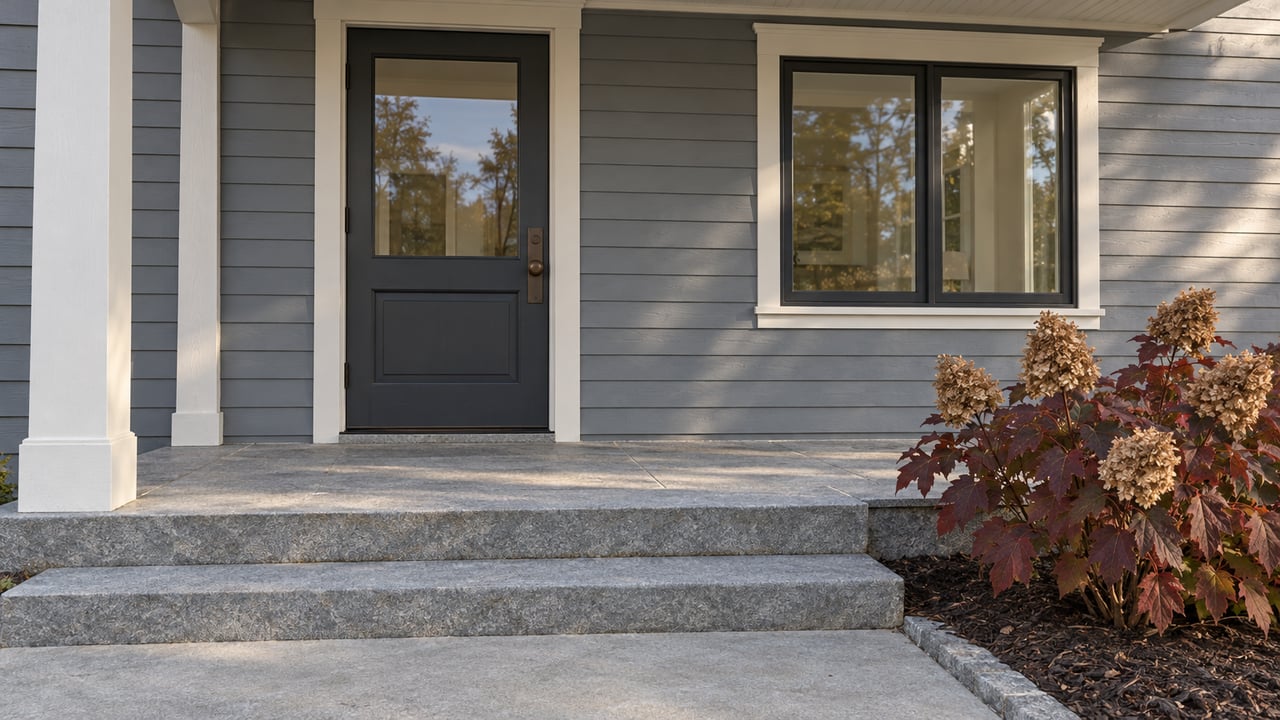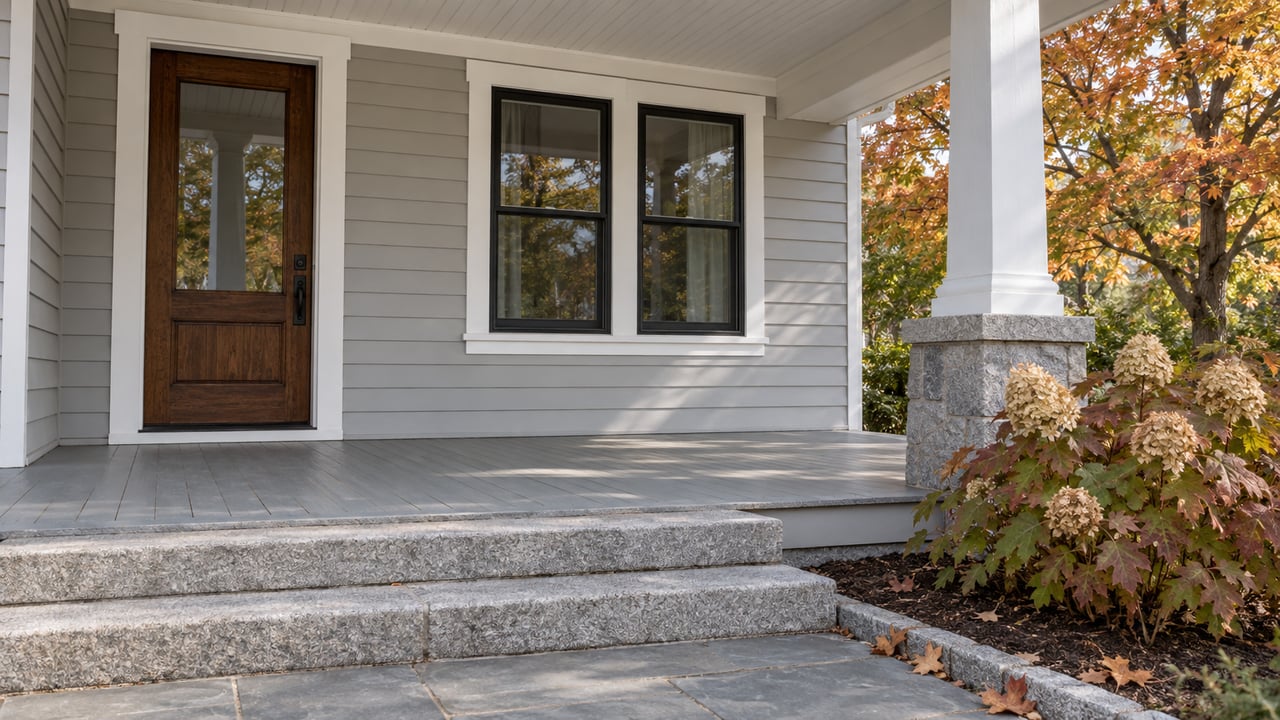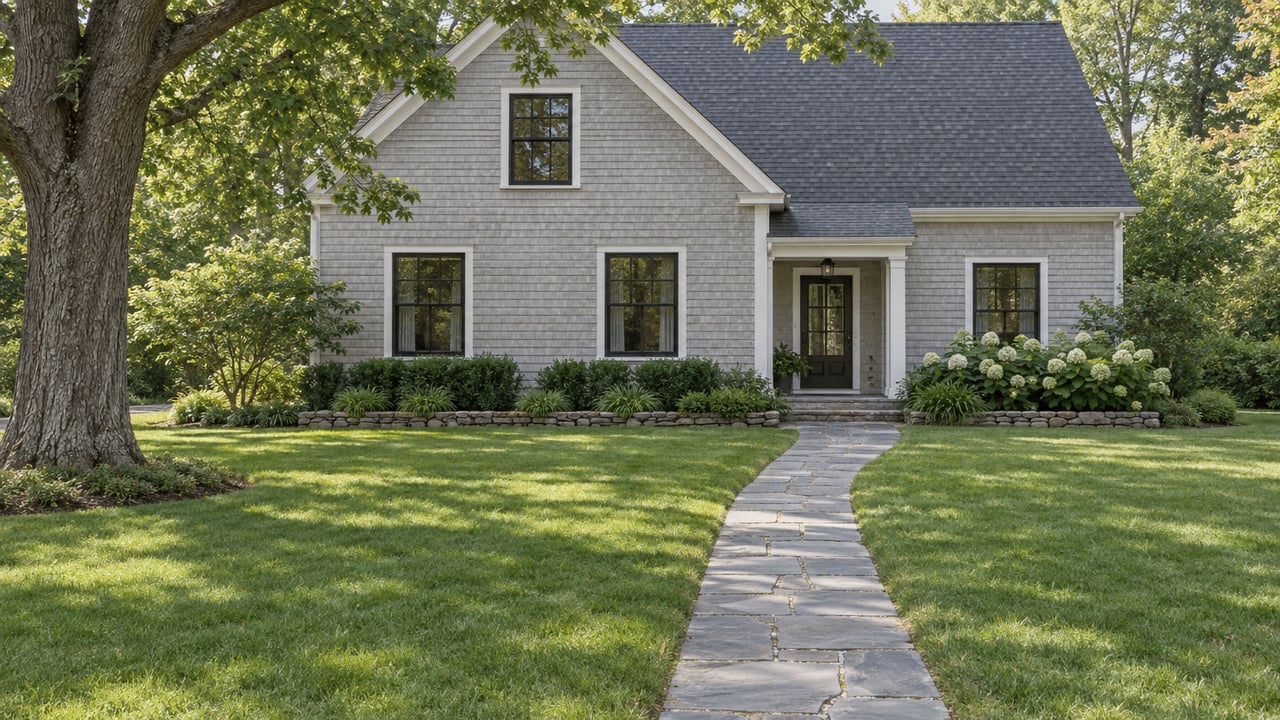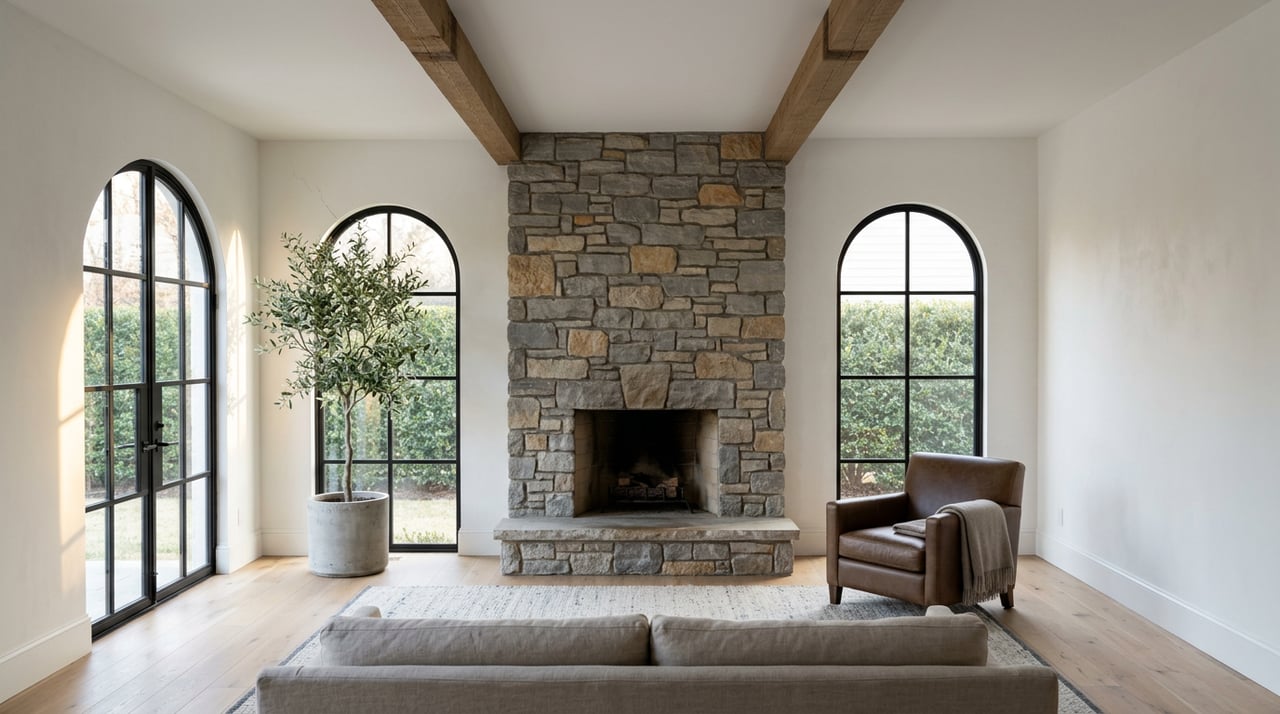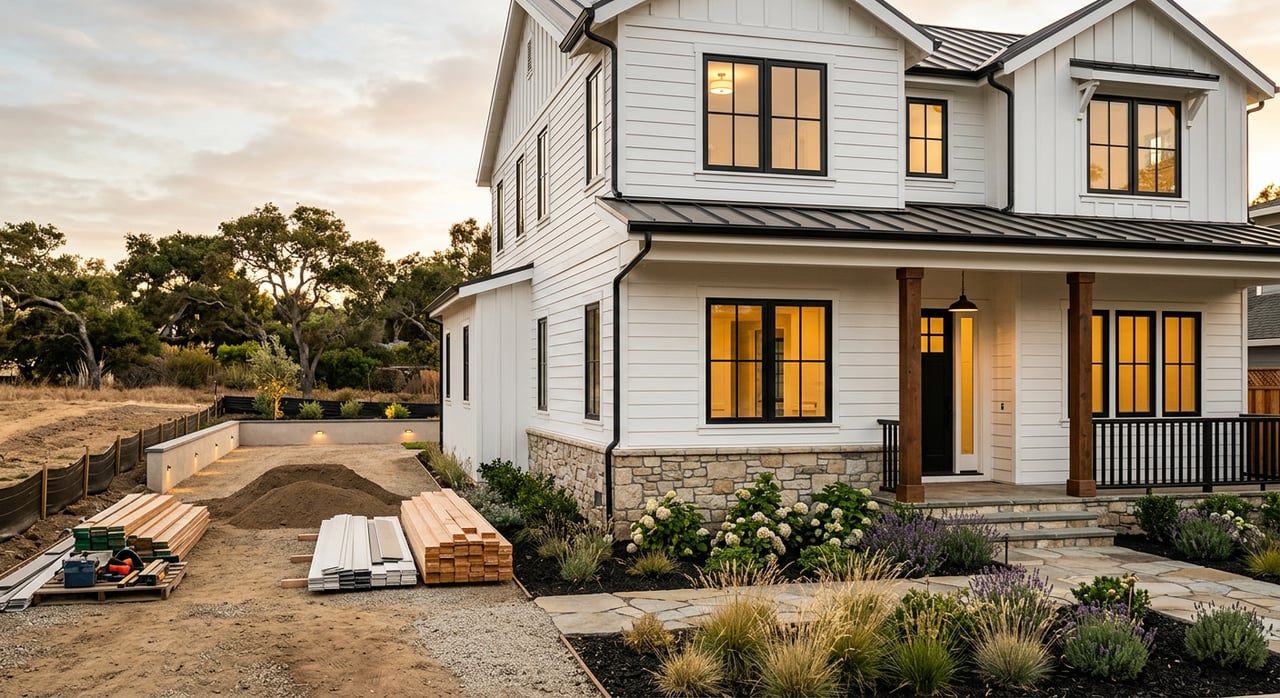
Thinking about building a new home or buying land in Newtown? You are not alone. With scenic acreage, village centers, and a growing mix of spec and custom options, Newtown gives you room to create a home that fits your life. The process has moving parts though, from zoning and wetlands to sewer access and financing. In this guide, you will learn what to check on any parcel, what timelines to expect, how to budget, and how to choose the right path for your goals. Let’s dive in.
Why build in Newtown
Newtown blends New England charm with a range of lot sizes, including many 1 to 3 acre parcels in residential zones. According to the town’s planning documents, minimum residential lots often range from 0.5 to 3 acres depending on the zone and available utilities. Smaller lots can be possible in village or business districts, especially where public water and sewer exist. You can confirm the overarching plan in the Town’s Plan of Conservation and Development, which summarizes lot-size patterns and village overlays. Review the town’s planning summary for context on where growth is encouraged and how village design districts work. See the POCD overview.
Zoning basics and lot sizes
Before you fall in love with a parcel, check the zone and the rules that apply. The Town’s Zoning Regulations outline minimum lot sizes by district and spell out what land counts toward the minimum. Common ranges include:
- R-1/2 overlay: 0.5 acre (often where public water and sewer are present).
- R-1: 1 acre.
- R-2: 2 acres.
- R-3: 3 acres.
Newtown excludes wetlands, watercourses, the FEMA 100-year floodplain, and slopes of 25 percent or greater from the usable area when testing new-lot minimums. In practice, that means a two-acre deed may not function as a conforming new lot if a portion is constrained. Open Space Conservation Subdivisions have separate rules, with a listed minimum of 35,000 square feet per lot and specific design standards. Always review the regulations for your exact parcel and any overlay districts. Check Newtown’s Zoning Regulations.
Quick lot feasibility checklist
- Confirm the base zone and any overlays or village districts for the parcel. Use the town’s zoning map and regulations to verify standards. Start with the regulations.
- Identify if the property lies within a municipal sewer service area, either the central system or Hawleyville. Sewer access changes density and cost assumptions. Review the town’s sewer planning background.
- Order wetlands flagging and check FEMA flood maps, then compute usable area that excludes wetlands, floodplain, and 25 percent slopes for new-lot tests. See how Newtown applies these exclusions.
- If your plan may affect groundwater or add wastewater flow, expect Inland Wetlands Commission coordination and, where relevant, aquifer protection review. Read the town’s land-use standards.
Sewer vs. septic: what decides buildability
Newtown operates two municipal sewer systems. The central system serves the Borough, Sandy Hook, and the Fairfield Hills area. The Hawleyville system was extended to support development near Exit 9, and in some areas uses low-pressure mains that require grinder pumps. Where sewers are available, you may see smaller practical lot sizes and lower septic-related costs, though connection fees and assessments still apply. For planning context and how the town frames these systems, review the sewer service background. Learn about Newtown’s sewer systems.
If you build where public sewers are not available, Connecticut public health rules require that your plan demonstrate an adequate on-site septic system and reserve area. In many towns this is called a B100a review, which can be triggered by new bedrooms or added plumbing. Budget for deep test pits, perc tests, and engineered septic design. For a plain-English overview of B100a-style reviews, see this example from a nearby health department. Read a B100a overview.
Site and utility cost watchouts
- Septic testing and engineered design often run from about $3,000 to well over $25,000, depending on soils and system complexity.
- Sewer tie-in, capacity assessments, and grinder pump installations can range from several thousand to tens of thousands, influenced by distance to the main and site conditions. Review a state summary related to Hawleyville’s extension.
- Wetland mitigation, stormwater controls, erosion controls, and required bonds can add meaningful cost. See Newtown’s land-use standards.
Permits and timeline in Newtown
Most projects follow a predictable sequence. You start with pre-application due diligence, move to health-code screening if you need on-site septic, then file with the Inland Wetlands Commission if required. Planning and Zoning reviews site plans, special exceptions, or subdivisions as needed. If you have sewer access, the Water and Sewer Authority confirms capacity and connection. After approvals, the Building Department issues permits and schedules inspections. Find the Building Department.
Typical timing looks like this:
- Pre-design and site feasibility: 2 to 8 weeks for perc tests, wetlands flagging, and early checks.
- Design and permit application package: 2 to 6 months for architecture, civil engineering, and septic design.
- Approvals: about 2 to 4 months for straightforward projects, longer for complex applications or public hearings. Review Newtown’s process framework.
- Construction: national data shows wide ranges. Spec or production homes often complete about 6 to 9 months after permits, contractor-built homes average near 9 months, and custom homes often take 12 to 18 months or more. See completion-time data from the U.S. Census.
Timing tips for buyers
If your move date is firm, look at homes already under construction or spec offerings with published delivery windows. A ground-up custom build often takes 9 to 18 months after permits and financing, and site surprises can extend that. Plan your search around realistic completion dates, especially if you want to align with a school-year schedule. Census data supports these timeframes.
Financing your land and build
If you are buying land only, expect different lending terms than a standard 30-year mortgage. Many lenders require larger down payments, often in the 15 to 50 percent range depending on whether the lot is raw, unimproved, or improved. Rates and terms can vary, and local banks or credit unions may be strong options for qualified buyers. Read a consumer guide to land loans.
For construction financing, you will typically choose between a single-close construction-to-permanent loan or a two-close structure. With a single-close, you close once, then the loan converts to a permanent mortgage at completion. With a two-close, you close on a construction loan, then take a separate permanent mortgage later. During construction, most lenders fund in draws and you pay interest-only on the drawn balance. Learn how draws and construction-to-permanent loans work.
Budget categories to include
- Land purchase price, closing costs, and property taxes while you hold the lot.
- Site prep, including clearing, test pits and perc tests, grading, driveway, temporary utilities, and any ledge removal.
- Septic and well, or sewer-connection costs including grinder pump where required.
- Permits and impact fees, including any bonds for erosion or stormwater controls.
- Hard construction costs, builder base price, and your chosen upgrades.
- Soft costs, such as architectural and engineering fees, survey, and legal.
- Financing and holding costs, including interest during construction, insurance, and utilities while building.
- Contingency of 10 to 20 percent, higher for complex sites.
Reading a spec sheet and vetting builders
A strong builder package will spell out what is included, what is an allowance, and how upgrades are priced. Review the foundation type, wall framing, insulation values, window brand and U-factor, HVAC size and efficiency, water heater type, electrical panel size and fixture allowances, kitchen cabinet and countertop allowances, flooring, interior trim, and exterior materials. The spec should also list what is not included, such as landscaping, lighting, or driveway paving. Ask for a priced upgrade list and the policy for change orders. Here is a step-by-step overview of the custom build process.
When you interview builders, ask:
- How many Newtown permits and inspections have you completed in the past year, and can I see recent certificates of occupancy and an as-built survey?
- Who are your subcontractors, and what written warranties do you provide?
- How do you handle allowances, contingency, and changes after selections are made?
- Can I walk one of your completed homes locally?
Where opportunities tend to emerge
- Infill near sewered areas. Parcels in parts of the Borough, Sandy Hook, or Hawleyville can unlock smaller-lot or attached-utility options, subject to design rules and capacity. Review sewer districts and planning context.
- Teardown plus rebuild in village districts. Where public water and sewer are present, practical minimum lot sizes can be smaller than outlying zones, which opens doors for right-sized homes. The POCD and zoning regulations explain these differences. See the POCD summary and Zoning Regulations.
- Open Space Conservation Subdivisions. Cluster designs with a 35,000 square foot minimum per lot can make sense on sites with environmental constraints. Confirm OSCS rules in the regulations.
- Large-lot custom in R-2 and R-3. If you want privacy and acreage, the 2 and 3 acre districts are designed for that character. Expect density limits to hold firm outside sewered areas. Cross-check zoning before you bid.
How we help you build smart
Building new or buying land should feel exciting, not overwhelming. With 30+ years guiding Fairfield County buyers and sellers, Elizabeth understands Newtown’s zoning, wetlands, and sewer realities, and knows how to keep your plan on track. You can count on strategic lot scouting, coordination with local professionals, clear timelines, and introductions to trusted lenders and builders through the William Raveis network. If you want to compare a new build to a move-in-ready resale, we will model total costs and timing so you can choose with confidence.
Ready to explore Newtown new construction and land opportunities with a trusted local advisor? Connect with Elizabeth Casey to start your plan.
FAQs
What are the typical lot size rules for new homes in Newtown, CT?
- Many residential zones require 1 to 3 acres, while some village or overlay districts allow 0.5 to 1.0 acre where public water and sewer exist, as outlined in the POCD and zoning regulations.
How long does new construction usually take in Newtown?
- After approvals and financing, spec or production homes often complete in about 6 to 9 months, contractor-built homes around 9 months, and custom homes 12 to 18 months or more based on U.S. Census data.
What can make a lot unbuildable under Newtown rules?
- Wetlands, watercourses, FEMA 100-year floodplain, and slopes of 25 percent or more are excluded from minimum-lot calculations, so constrained land may not meet usable area tests for a new lot.
How do sewers change what I can build in Newtown?
- Sewer availability in the central system and Hawleyville can support smaller practical lots and reduce septic costs, but connection and capacity fees, and sometimes grinder pumps, still apply.
What is a B100a review in Connecticut and when is it required?
- It is a public health review that confirms on-site sewage disposal capacity when sewer is not available, often triggered by new construction or added bedrooms, and it can require soil testing and an engineered septic plan.
How should I budget for a Newtown build from land to move-in?
- Add land costs, site prep, septic or sewer fees, permits, hard construction and soft costs, financing and holding costs, then include a 10 to 20 percent contingency for site surprises.
Should I buy a spec home or build custom in Newtown?
- If timing is critical, a spec or already-started home can deliver faster. If you want full design control and have flexibility, a custom build can be rewarding, though it often takes longer and requires more contingency.