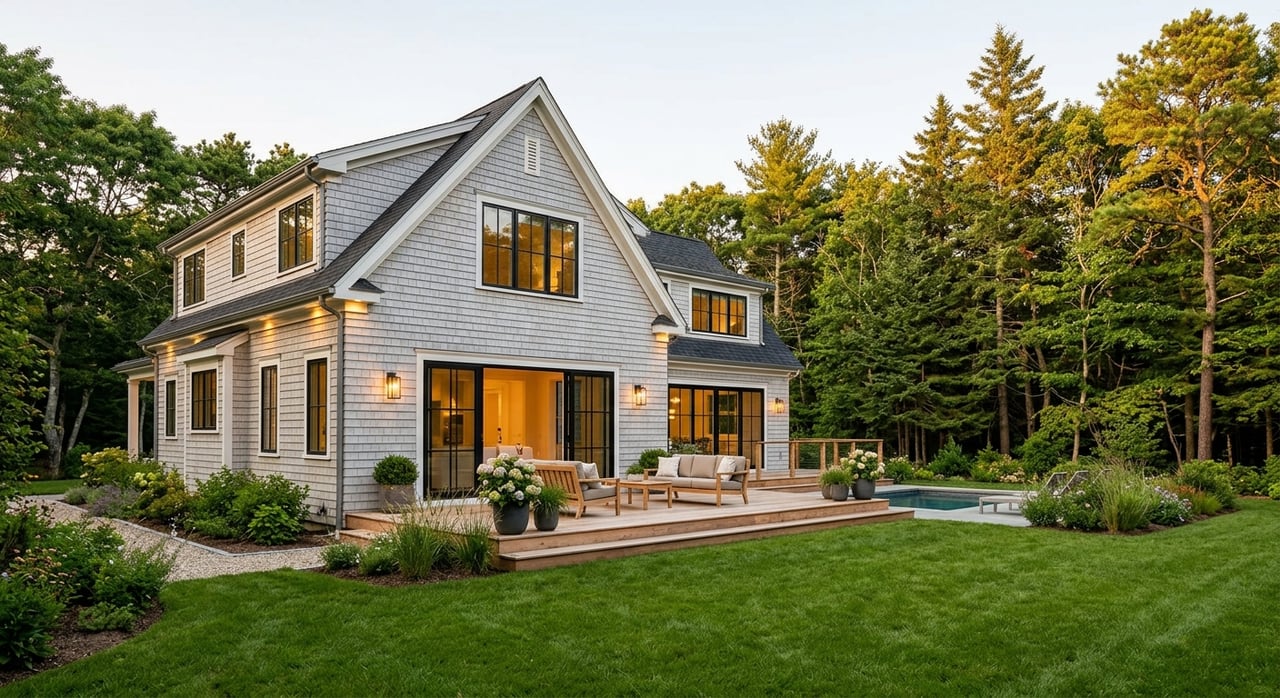
If you are thinking about moving to Newtown, the biggest question is not just whether you like the town. It is whether Newtown’s pace, layout, and housing choices fit the way you actually want to live. For many buyers, that answer depends on commute style, yard expectations, and how much space feels exciting versus overwhelming. This guide will help you weigh the factors that matter most before you make a move. Let’s dive in.
Why Newtown stands out
Newtown offers a different feel from many lower Fairfield County towns. The town describes itself as a scenic small town in Fairfield County about 60 miles from New York City, with a 2020 population of 27,173 spread across 57.5 square miles of land. That works out to about 473 residents per square mile, which creates a more spacious daily feel than denser towns farther south.
That sense of space shapes more than the scenery. In practical terms, it often means more privacy, larger yards, and a quieter rhythm of life. It also usually means you will drive more for errands, commuting, and day-to-day routines.
Newtown includes several distinct areas, including the Borough, Sandy Hook, Hawleyville, Botsford, and Dodgingtown. The Borough itself is only about one square mile, which is important because living near the center of town can feel very different from living in a more spread-out section of Newtown.
Newtown’s housing feel
Newtown’s housing stock tends to appeal to buyers who want room to spread out. The town has a 90.0% owner-occupied housing rate, and the median value of owner-occupied homes is $546,200. That points to a settled residential market rather than a renter-heavy one.
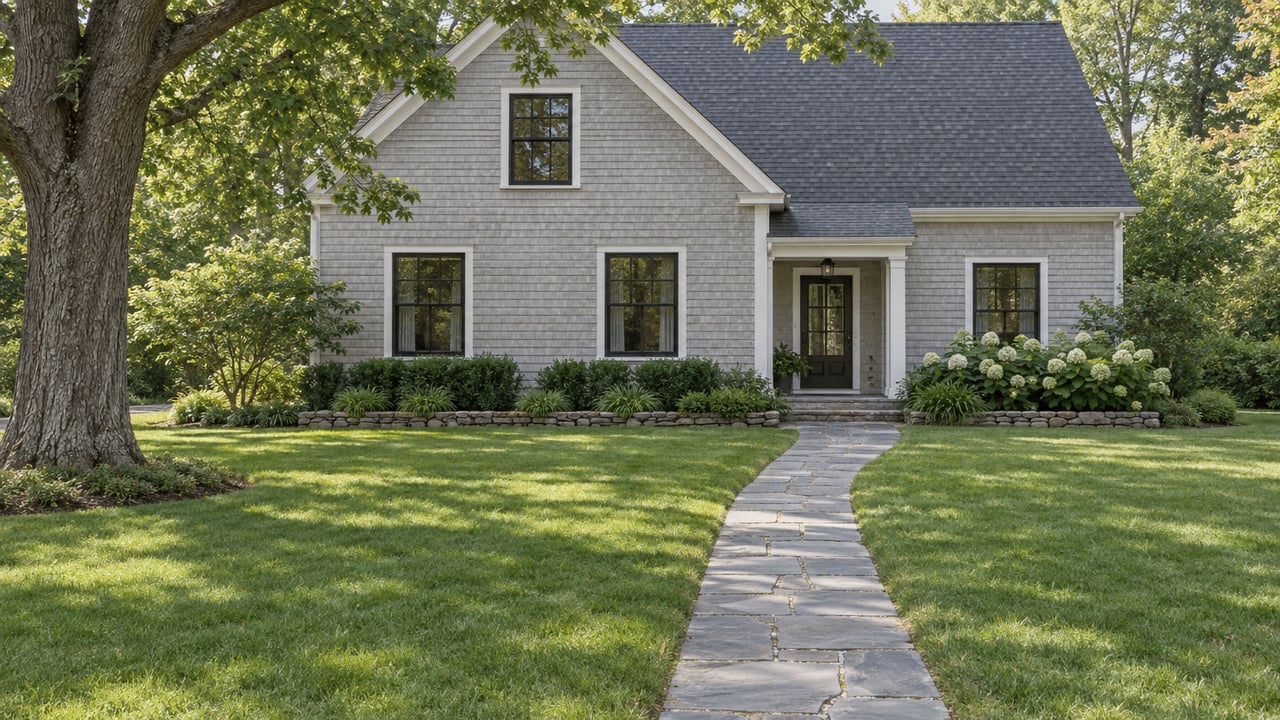
As you look at homes, you will likely see a mix of Colonials, Capes, Ranches, and larger-lot properties. Current market examples show that lot sizes can vary quite a bit, from roughly 2 acres to 10 acres or more. In Newtown, “more space” can mean very different things depending on where you look.
Some zoning districts reinforce that larger-lot character. For example, the town’s SLR district lists a 5-acre minimum lot area, 50-foot front setbacks, and 15% building coverage. If you are drawn to privacy and a more open setting, that can be a major plus.
Borough or outlying area?
One of the most important choices in Newtown is deciding between the Borough’s compact village feel and a more rural outlying area. Because the Borough is small and the town overall is much larger, your day-to-day experience can shift a lot based on location.
If you prefer a more central setting, the Borough may appeal to you for its historic core and closer access to town amenities. If you want longer driveways, more land, and a quieter setting, an outlying neighborhood may be a better fit. Neither is better across the board. The right choice depends on how you want your week to function.
Think about the routines that matter most to you. A quick trip to the library or community activities may matter more than extra acreage. Or you may be happy trading convenience for a more private setting.
Commute planning matters here
Commute style is one of the biggest factors to weigh before moving to Newtown. The town is traversed by I-84, U.S. Routes 6 and 302, and Connecticut Routes 25 and 34, which gives drivers several important regional connections.
Rail access takes a little more planning. CTDOT says the Metro-North Danbury Branch runs between South Norwalk and Danbury, but the cited rail materials point to nearby stations in surrounding towns rather than a station in Newtown itself. That means many rail commuters should expect a drive or bus connection as part of the trip.
Bus service may also be part of the picture. CTDOT’s bus information says HART serves Newtown and surrounding Danbury-area communities, including service to the MTA Harlem Line in Brewster. If you commute regularly, it helps to think early about whether you want a car-first routine, a park-and-ride setup, or more flexibility week to week.
Utilities and property upkeep
Newtown’s larger-lot appeal can come with a few practical tradeoffs. In some areas, homes may use on-site wells and subsurface sewage systems rather than public utilities. That does not make those properties less desirable, but it does mean you should understand the setup before you buy.
Yard size also affects the day-to-day workload. More land can give you privacy and flexibility, but it can also mean more mowing, driveway care, and snow removal. If you love the idea of open space, make sure you also feel good about the maintenance that comes with it.
This is especially important if you are relocating from a denser town or a property with a smaller lot. What feels charming during a showing can feel very different after a full season of upkeep. A realistic look at maintenance can help you choose a home that fits your lifestyle, not just your wish list.
Amenities and daily life
Newtown’s town-run amenities support a community-oriented lifestyle with a strong focus on recreation and civic resources. The C.H. Booth Library sits on Main Street, and the town also offers a Community Center Commission, Human Services programs, and a Teen Center.
If outdoor access matters to you, Newtown has several options. The Fairfield Hills Campus includes about 186 acres of passive open space with open fields and walking trails, and Parks & Recreation also highlights the 78-acre Fruit Trail habitat. Treadwell Pool and Eichler’s Cove Beach offer membership-based seasonal amenities.
These resources can add a lot to daily life, especially if you want local recreation close to home. At the same time, how often you use them should be part of your home search priorities. For some buyers, trail access or community programming is a major draw. For others, commute convenience may matter more.
How Newtown compares nearby
If you are choosing among Fairfield County towns, Newtown may feel notably more spacious than options farther south. Based on 2020 census figures, Newtown has about 473 people per square mile compared with roughly 691 in Wilton, 929 in New Canaan, 1,332 in Greenwich, 3,603 in Stamford, and 3,984 in Norwalk.
That lower density often translates into a different lifestyle. You may find more land and a quieter atmosphere, but you may also spend more time in the car. For buyers who want breathing room, that tradeoff can feel well worth it.
Newtown’s 90.0% owner-occupied housing rate also stands out next to Stamford at 48.8% and Norwalk at 55.6%. That supports the picture of Newtown as a more settled residential market with a strong single-family orientation.
Key questions to ask yourself
Before you tour homes in Newtown, it helps to be clear about your non-negotiables. A little upfront clarity can save you time and help you compare homes more effectively.
Ask yourself:
- Do you want a car-first commute, park-and-ride access, or a more flexible routine?
- Would you prefer the Borough’s compact feel or a more rural part of town?
- How much yard, driveway, and snow maintenance do you really want?
- Are you comfortable with a home that may use private well and septic systems?
- Which home styles do you prefer most, such as Colonial, Cape, Ranch, raised ranch, or newer construction?
- How important are trails, library access, pool options, and community amenities to your weekly routine?
The answers can quickly narrow your search. In a town where location and lot size can change the living experience so much, those details matter.
Is Newtown right for you?
Newtown can be a great fit if you want more space, a quieter setting, and a residential feel that is less dense than many lower Fairfield County towns. It may also appeal to you if you value larger lots, outdoor amenities, and a choice between village-style living and more rural surroundings.
At the same time, Newtown is not a one-size-fits-all move. Your experience will depend on how you balance commute needs, maintenance expectations, and the kind of setting that feels comfortable every day. The best move is not just finding a nice house. It is finding the right fit within the town.
If you are weighing a move to Newtown and want local guidance on neighborhoods, lot patterns, or the buying process, Elizabeth Casey can help you make a confident, informed decision.
FAQs
What is daily life like in Newtown, CT?
- Newtown offers a more spacious and quieter daily rhythm than many lower Fairfield County towns, with a mix of village-style areas, spread-out neighborhoods, trails, civic amenities, and recreation resources.
What should buyers know about commuting from Newtown, CT?
- Buyers should know that Newtown has strong road access via I-84 and several state and U.S. routes, while rail commuting typically involves getting to a nearby station in another town or using a bus connection.
What types of homes are common in Newtown, CT?
- Buyers in Newtown often see Colonials, Capes, Ranches, and larger-lot properties, with lot sizes ranging from generous suburban parcels to much more rural acreage.
Do homes in Newtown, CT always have public utilities?
- No, some Newtown homes, especially in larger-lot areas, may use private wells and subsurface sewage systems instead of public water and sewer service.
How does Newtown, CT compare with southern Fairfield County towns?
- Newtown is much less dense than towns like Stamford and Norwalk, which often means more privacy, larger yards, and a quieter setting, along with a lifestyle that usually involves more driving.
What is the difference between living in the Borough and other parts of Newtown, CT?
- The Borough offers a more compact historic-center feel, while other parts of Newtown are generally more spread out and can feel more rural in day-to-day living.