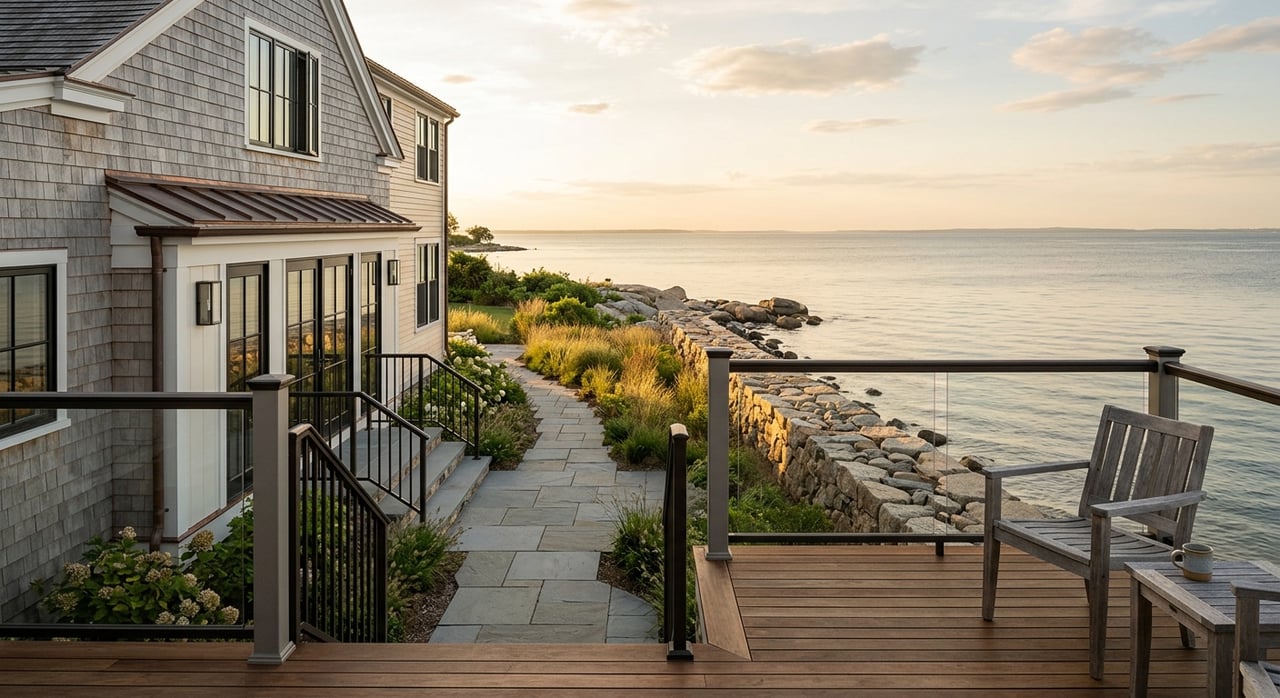
Dreaming about waking up to water views in New Milford? It is easy to focus on the lifestyle first, but waterfront buying here also comes with a different set of questions than a typical home search. If you are considering a property on or near Candlewood Lake or along the Housatonic River, this guide will help you understand pricing, property types, seasonal upkeep, and the local rules that matter most before you make an offer. Let’s dive in.
Why New Milford Waterfront Stands Out
New Milford offers more than one kind of waterfront experience. Candlewood Lake is the area’s biggest draw, with 5,420 acres, about 65 miles of shoreline, and roughly 1,600 waterfront residences, according to the Candlewood Lake Authority. That scale gives buyers access to a waterfront lifestyle that blends recreation, full-time living, and second-home ownership.
The town’s natural-resource materials support that mix as well. In New Milford, waterfront living is not just about summer weekends. You will find both seasonal and year-round homes along and near the shoreline, which gives buyers a wider range of options and living styles.
If you are drawn to river settings, the Housatonic River creates a different feel. Connecticut DEEP describes it as one of the state’s most popular rivers for fishing, hiking, camping, canoeing, and kayaking, while New Milford Bay includes Lynn Deming Park, a town beach and park on Candlewood Lake. In practical terms, that means your waterfront search may be about lake access, riverfront privacy, or a home with nearby water recreation rather than direct frontage alone.
What Waterfront Homes Cost
One of the biggest surprises for buyers is how wide the price range can be. Recent waterfront inventory examples in New Milford have ranged from about $754,900 for a lake home to $1.15 million for a riverfront estate on 6 acres, with private waterfront offerings reaching $3.9 million. That tells you quickly that waterfront in New Milford is not one single market segment.
It also helps to compare those numbers to the broader town market. Redfin reported a townwide median sale price of $278,000 in March 2026. So while some smaller or less direct water-oriented properties may be more attainable, many waterfront homes trade at a significant premium compared with typical homes in town.
For buyers, that price spread creates both opportunity and risk. A property with beach rights or water proximity may fit your budget better than direct lakefront, but the value difference often comes down to details that are easy to miss at first glance.
What Types of Waterfront Homes You May Find
New Milford’s waterfront housing stock is not all the same style. Recent listings show a mix that includes contemporary waterfront homes with private docks and boat launches, larger lake homes with sandy frontage, arts-and-crafts or Adirondack-inspired lakehouses, and ranch or raised-ranch homes with beach rights.
That variety can work in your favor. If you want a move-in-ready home with a modern layout, you may find that. If you prefer a more classic lakehouse feel or a smaller home with access rather than direct frontage, those options also exist.
The key is to look beyond the label. Two homes might both be marketed as waterfront or water-oriented, but they can offer very different ownership experiences depending on frontage, access rights, shoreline setup, and maintenance demands.
What To Check Before You Fall In Love
Waterfront homes often create an emotional reaction right away. The views, the setting, and the outdoor space can make a property feel special within minutes. That is exactly why it helps to slow down and review the practical side carefully.
Before you move forward, pay close attention to:
- Whether the property is direct waterfront, riverfront, lake-access, or beach-rights only
- The condition and status of any dock, launch, or shoreline improvements
- Whether the home uses a private well, septic system, or other site-based utilities
- The flood map status and possible insurance needs
- Any local zoning overlays or shoreline-related restrictions
- Seasonal water-level changes that may affect use of the shore or dock
These details can shape your costs, your day-to-day use of the property, and your long-term plans for improvements.
Seasonal Water Levels Matter
On Candlewood Lake, seasonal water-level changes are part of ownership. The Candlewood Lake Authority says drawdown season usually begins on December 1 and ends in mid-April. It also advises homeowners to remove items from the shore before winter to avoid ice damage.
That means your summer view and shoreline setup may not look the same in winter. If you are buying a home with a dock, steps to the water, or shore-level outdoor features, ask how those areas perform during drawdown season and what seasonal work is typically required.
CT DEEP also notes that Candlewood Lake experiences seasonal and periodic water-level fluctuations. For buyers, this is a reminder that waterfront living here should be evaluated across all four seasons, not just on a perfect summer showing.
Shoreline Upkeep Is Part of Ownership
A waterfront home is not only about the house itself. The Candlewood Lake Authority notes ongoing lake stewardship efforts that include battling Eurasian watermilfoil, monitoring water chemistry monthly from May through October, and responding to zebra mussels. It also recommends phosphorus-free fertilizer and notes that shoreline work should be cleared with FirstLight.
That tells buyers something important. Landscaping, dock upkeep, shoreline maintenance, and environmental stewardship are all part of owning near the water. In many cases, those responsibilities deserve as much attention as the kitchen, roof, or floor plan.
This is especially important in an area where New Milford’s natural-resource inventory says many homes along and near the lake use private wells and septic systems. When you are evaluating a property, ask specific questions about utility service, septic maintenance history, water access, and seasonal care routines.
Flood Insurance Is a Key Part of Due Diligence
Flood risk is one of the most important topics for waterfront buyers to understand early. Connecticut’s Insurance Department notes that if a home is in a high-risk flood zone and the mortgage is government-backed, flood insurance is required. It also notes a 30-day waiting period before a flood policy takes effect.
Just as important, flood risk is not limited to homes directly on the water. The Connecticut Insurance Department says 25% to 40% of flood losses occur outside a designated flood zone, and CT DEEP notes that flood insurance can be purchased for properties both inside and outside the Special Flood Hazard Area.
The practical takeaway is simple. Do not assume a home is free of flood concerns just because it sits back from the shoreline or outside the most obvious flood area. Verify the property’s flood map status early in your process and price insurance into your budget before you finalize your decision.
Local Rules Can Shape Your Plans
In New Milford, waterfront due diligence goes beyond the house and the map. The town zoning code includes a Candlewood Lake Watershed District, a Housatonic Riverfront Zone, and Floodplain Management Regulations. The Housatonic Riverfront Zone applies to certain parcels with at least 100 feet of river frontage and specific utility and location criteria.
For buyers, these local rules matter because they can affect what you can change, build, repair, or expand. If you are hoping to add outdoor features, modify the shoreline, or make future improvements, those plans should be reviewed against local zoning and site conditions before you commit.
The town’s hazard mitigation plan also identifies the Housatonic River and Still River corridors as flood-prone. That makes early review of zoning, flood mapping, and site-specific permissions especially important for any water-oriented property in town.
Smart Questions To Ask As A Buyer
When you tour waterfront property in New Milford, try to move beyond surface appeal and ask focused questions. A beautiful lot or great view is only part of the ownership picture.
Consider asking:
- How does the property function during winter drawdown or heavy rain periods?
- Are there records for dock, shoreline, or drainage-related work?
- What utilities serve the home, and when were the well and septic last inspected or serviced?
- Is the property in a flood zone, and what are the current insurance requirements or costs?
- Are there any local zoning overlays affecting the parcel?
- What permissions may be needed for shoreline changes or exterior improvements?
These questions can help you compare homes more accurately and avoid surprises after closing.
Why Guidance Matters In Waterfront Buying
Waterfront homes can be rewarding, but they usually require more layered due diligence than a standard home purchase. You are not just evaluating square footage and finishes. You are also looking at access, seasonality, insurance, utilities, shoreline maintenance, and local restrictions.
That is where experienced guidance can make a real difference. A thoughtful buying strategy helps you understand not only whether a property is appealing today, but whether it fits the way you want to live and what you want to take on over time.
If you are exploring waterfront living in New Milford and want a clear, practical view of your options, Elizabeth Casey can help you evaluate properties with the care and local perspective this kind of purchase deserves.
FAQs
What makes waterfront living in New Milford different from other home searches?
- Waterfront homes in New Milford often involve added due diligence around flood maps, insurance, shoreline upkeep, seasonal water levels, wells, septic systems, and local zoning rules.
What should buyers know about Candlewood Lake in New Milford?
- Candlewood Lake is a major local draw with 5,420 acres, about 65 miles of shoreline, and roughly 1,600 waterfront residences, making it a center for both year-round and seasonal waterfront living.
What price range can buyers expect for waterfront homes in New Milford?
- Recent examples show a wide spread, from around $754,900 for a lake home to $1.15 million for a riverfront estate, with private waterfront properties reaching $3.9 million.
What types of waterfront properties are available in New Milford?
- Buyers may find direct lakefront homes, riverfront properties, homes with private docks, beach-rights properties, and a mix of architectural styles from contemporary homes to classic lakehouses and ranches.
What should buyers know about flood insurance for New Milford waterfront homes?
- Flood insurance is often a key part of waterfront due diligence because flood risk can affect homes both inside and outside designated flood zones, and some loans require coverage for homes in high-risk areas.
What local regulations affect waterfront property in New Milford?
- New Milford has local zoning and flood-related regulations that include the Candlewood Lake Watershed District, the Housatonic Riverfront Zone, and Floodplain Management Regulations, all of which can affect property use and future improvements.