Wondering if Monroe, CT feels like the right fit for your next move? If you are looking for a Fairfield County town with a more suburban pace, plenty of outdoor space, and a housing stock built mostly around single-family living, Monroe deserves a closer look. Here’s what it’s really like to live in Monroe, from daily routines and home styles to parks, shopping, and the overall feel of town. Let’s dive in.
Monroe Has a Suburban Feel
Monroe is a town of about 19,000 residents in eastern Fairfield County, covering 26 square miles. Official town materials describe it as a community with New England character, local restaurants, retail shopping, parks, and a strong local economy.
In day-to-day life, that often translates to a spread-out suburban setting rather than a dense downtown experience. Monroe has evolved from a farming community into a suburban one, and that still shapes how the town looks and functions today.
Daily Life Centers on Roads and Town Hubs
One of the first things many buyers notice is that Monroe is not organized around one central village area. Instead, daily errands, dining, recreation, and services tend to cluster around road corridors, town facilities, and neighborhood pockets.
Route 25 and Route 111 play a big role in how people get around. Town planning documents identify these roads as important transportation and economic development corridors, and they connect many of the places residents use most often.
If you prefer a town where practical convenience matters more than walkable density, Monroe may feel comfortable and familiar. It is often a useful comparison point for buyers also considering Trumbull or Shelton.
Outdoor Space Is a Big Part of Life
If you enjoy fresh air and room to move, Monroe offers several well-known outdoor destinations. Great Hollow Lake, Webb Mountain, Wolfe Park, and the Rails to Trails paths are some of the town’s standout recreation features.
The Housatonic Valley Rail Trail project is also expanding the local trail network. According to the town, a 4,537-foot stone-dust biking trail is scheduled to connect existing segments from Maple Drive to north of Wolfe Park, helping the trail run through town more continuously.
This kind of outdoor access supports a lifestyle that feels active without feeling rushed. You can picture weekends spent on trails, at the park, or enjoying seasonal town programming rather than navigating a crowded urban schedule.
Community Events Add Local Energy
Monroe’s official calendar shows a steady rhythm of community activity. Parks and Recreation programming includes events such as the Arts in the Park Concert Series, Character Nights, and Wolfe Park Pool programs.
The town also accepts submissions for community events, and the Monroe CT 250 committee adds more civic programming to the calendar. That helps create a town atmosphere where public spaces and recurring events play an important role in local life.
For many residents, that means there are regular opportunities to get out, participate, and feel connected to the community. You do not need a major downtown to have an active town calendar, and Monroe is a good example of that.
Monroe Offers Practical Shopping and Dining
Monroe is not trying to be a restaurant capital, but it does offer practical variety for everyday life. Town materials highlight local restaurants and retail shopping, and Monroe Restaurant Week gives a good snapshot of the dining mix.
Participating businesses have included Italian, pizza, diner, coffee shop, ramen, Thai, and drive-in options. That range suggests a town where you can cover the basics locally and still enjoy some variety without needing a special occasion.
The shopping and dining pattern fits Monroe’s overall layout. You are more likely to think in terms of convenient stops along main roads than a single destination district.
Housing Is Largely Single-Family
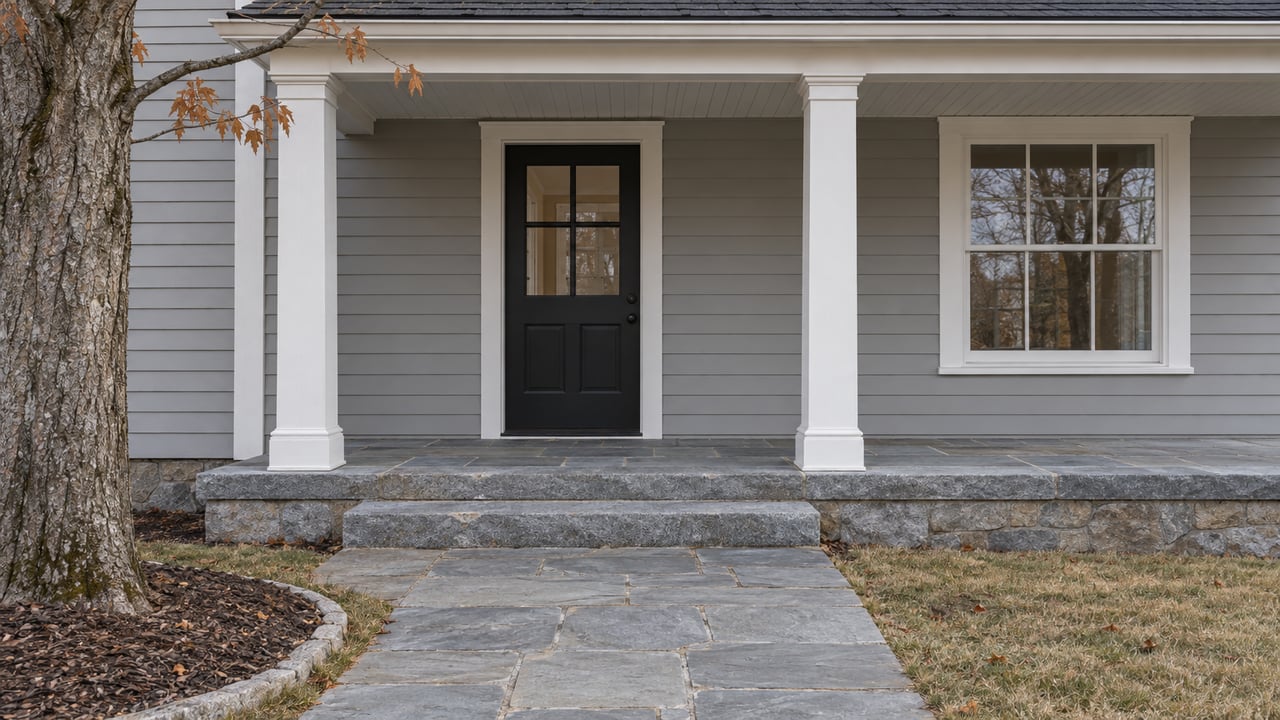
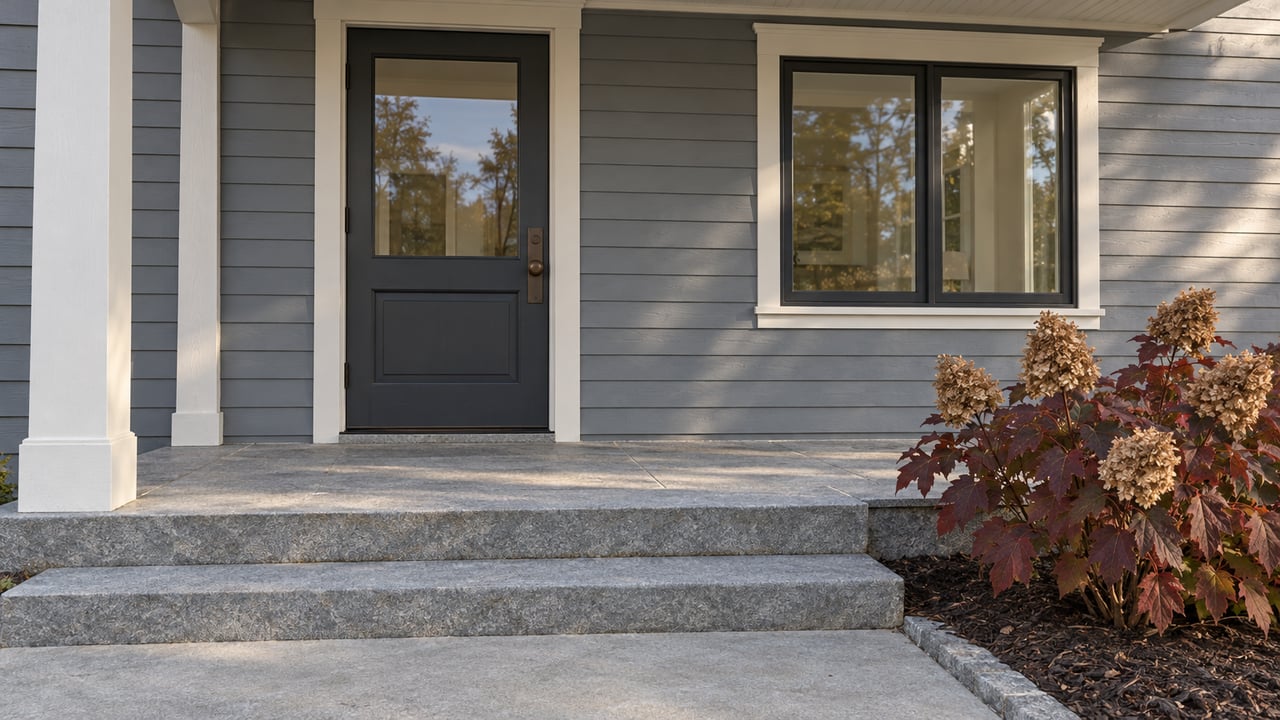
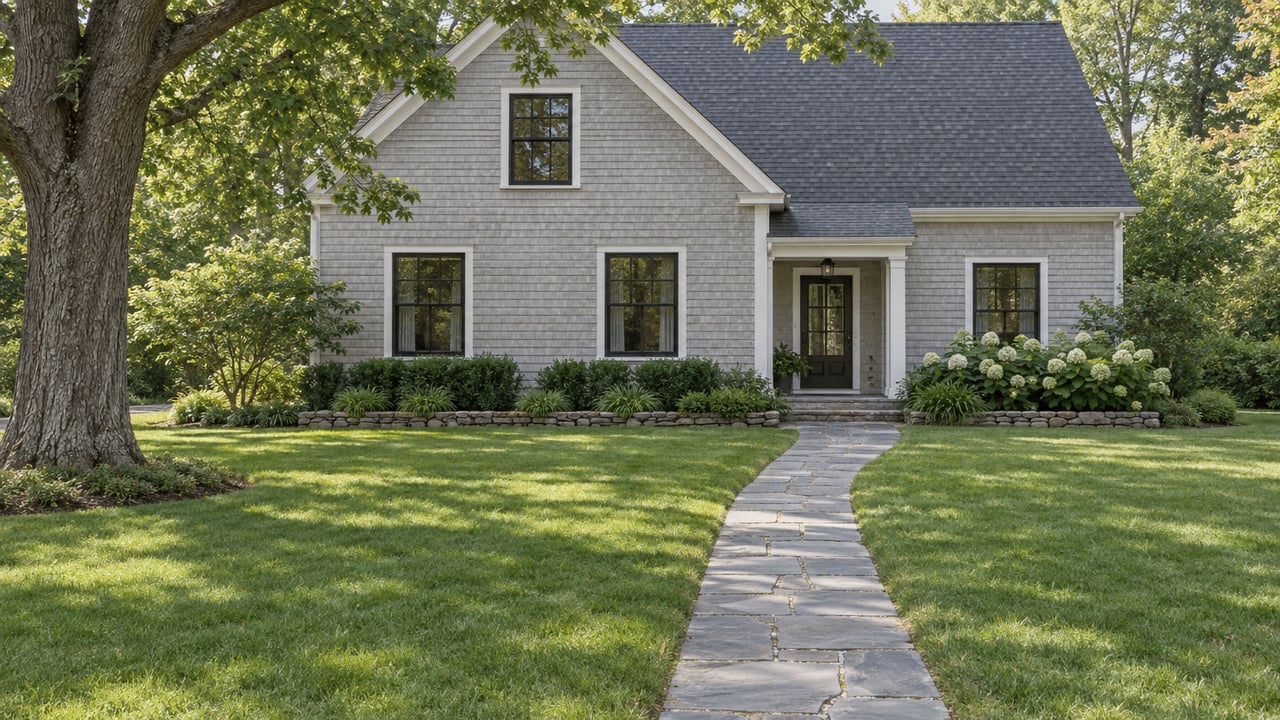
For many buyers, the biggest lifestyle clue is the housing mix. Monroe remains heavily single-family in character, with 86.8% of its housing inventory made up of detached single-family homes.
That stat helps explain why the town often feels established, residential, and low-density. Attached homes and smaller multifamily buildings exist, but they make up a much smaller share of the local inventory.
Owner occupancy is also high. Census QuickFacts for the 2020 to 2024 period puts Monroe’s owner-occupied rate at 95.7%, which reinforces the town’s strong ownership base.
Homes Span Several Eras
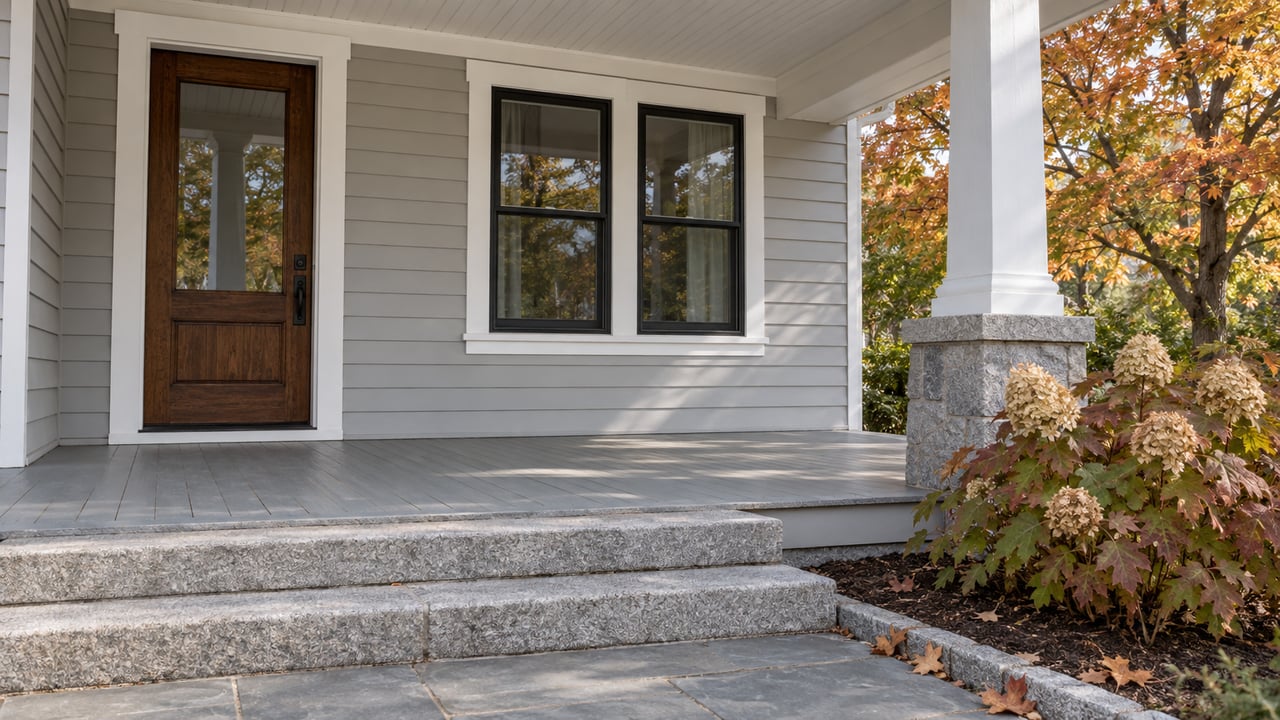
Monroe’s housing stock is not limited to one style or one decade. The town’s 2024 annual report shows a large base of older homes, with the biggest built-year cohort in the 1980s, along with meaningful shares from the 1990s and 2000s and some post-2010 construction.
That mix gives buyers a few different paths. You may find established homes on mature lots, subdivision-style homes from later decades, or newer construction depending on your budget and priorities.
In practical terms, Monroe often appeals to buyers who want space and a suburban setting, but still want options across different home vintages. It is not all brand-new, and it is not all one-era classic housing either.
The Town Feels Wooded and Low-Density
Monroe’s planning approach helps shape its overall look and feel. The Planning and Zoning mission emphasizes orderly development while protecting wetlands, watercourses, open space, and other sensitive resources.
The town also has an open space plan, zoning and subdivision regulations, an Affordable Housing Plan for 2021 to 2026, and accessory dwelling unit regulations adopted in 2022. Together, those policies help explain why Monroe generally feels wooded, spread out, and suburban rather than heavily built up.
If you are searching for a lower-density environment with a more residential feel, that is one of Monroe’s defining qualities. The town’s physical character is tied closely to how land use has been managed over time.
Home Values Reflect Fairfield County Demand
Monroe’s reported home values show the town’s place within the broader Fairfield County market. A recent town report lists a median owner-occupied value of $456,800, while Census QuickFacts for 2020 to 2024 puts the median owner-occupied value at $503,200.
Those figures are useful for setting expectations, especially if you are comparing Monroe with nearby towns. They suggest a market where detached suburban homes make up the norm and where ownership remains a major part of the community fabric.
For buyers, that means it is worth looking carefully at inventory type, lot setting, and age of home when comparing value. In a town with a broad mix of build years, those details can matter a lot.
Monroe Can Appeal to Different Life Stages
Monroe often attracts buyers who want a suburban setting with room to spread out and access to parks, shopping, and town services. Because the housing stock is so heavily single-family, the town can be a strong fit for people prioritizing space, privacy, and a more residential environment.
It can also work well for older adults looking for local support and town-based programming. The Monroe Senior Center offers social, recreational, educational, wellness, and financial programming for adults 55+, and transportation services are available for members age 60+ or disabled adults over 18 for shopping, appointments, and center programs.
That kind of built-in support can be meaningful if you are planning a later-life move or helping a family member think through downsizing options. It adds another layer to what daily life in Monroe can look like.
So, What Is It Really Like?
Living in Monroe often means trading density for space, convenience for car-based routines, and noise for a quieter suburban pace. You get a town shaped by parks, trails, local events, road-corridor shopping, and a housing market dominated by detached homes.
For the right buyer, that combination feels practical and comfortable. If you want Fairfield County living with a wooded, low-density setting and a strong single-family identity, Monroe is easy to see as a place to put down roots.
If you are thinking about buying or selling in Monroe, working with an experienced local advisor can help you compare neighborhoods, home styles, and pricing with more confidence. To start that conversation, connect with Elizabeth Casey.
FAQs
What is the overall feel of living in Monroe, CT?
- Monroe generally feels suburban, spread out, and residential, with parks, shopping corridors, community events, and a housing stock dominated by detached single-family homes.
What kinds of homes are most common in Monroe, CT?
- Detached single-family homes are by far the most common housing type in Monroe, making up 86.8% of the housing inventory.
What outdoor activities are available in Monroe, CT?
- Residents can enjoy places such as Great Hollow Lake, Webb Mountain, Wolfe Park, and the Rails to Trails paths, with the Housatonic Valley Rail Trail project adding more connectivity.
What is shopping and dining like in Monroe, CT?
- Monroe offers practical local shopping and a mix of dining options, including Italian, pizza, diner, coffee shop, ramen, Thai, and drive-in formats.
Does Monroe, CT have services for older adults?
- Yes. The Monroe Senior Center offers programming for adults 55+, and transportation services are available for eligible members for shopping, appointments, and center activities.